
Выбор химии батареи в 2026 году — в равной мере регуляторное и инженерное решение. В настоящем документе никель-кадмий (NiCd), никель-металлгидрид (NiMH) и литий-ион оцениваются по фактическим требованиям Регламента (ЕС) 2023/1542, REACH, транспортных правил и обязательств на этапе окончания срока службы — показывая, почему не содержащий кадмия NiMH является вариантом по умолчанию с наименьшими сожалениями для многих европейских профессиональных и промышленных применений.
NiCd терпит неудачу уже на фундаменте: кадмий является его активным отрицательным материалом в объёме примерно 15–20 % массы элемента при портативном пределе 20 ppm в Приложении I, а старые исключения по применению резко сузились; в строгих условиях сохраняются лишь унаследованные аварийные/медицинские ниши. NiMH по конструкции не содержит кадмия, ртути или добавленного свинца, а испытания показывают значения на уровне или вблизи пределов обнаружения. Литий-ионные элементы проходят Приложение I, но несут более тяжёлую материальную сложность по REACH — фторированные связующие и добавки электролита, кобальт и скрининг, связанный с PFAS, — плюс совпадения с директивой об автомобилях с истёкшим сроком службы при использовании на транспорте. По запасу по веществам NiMH — самый чистый из трёх.
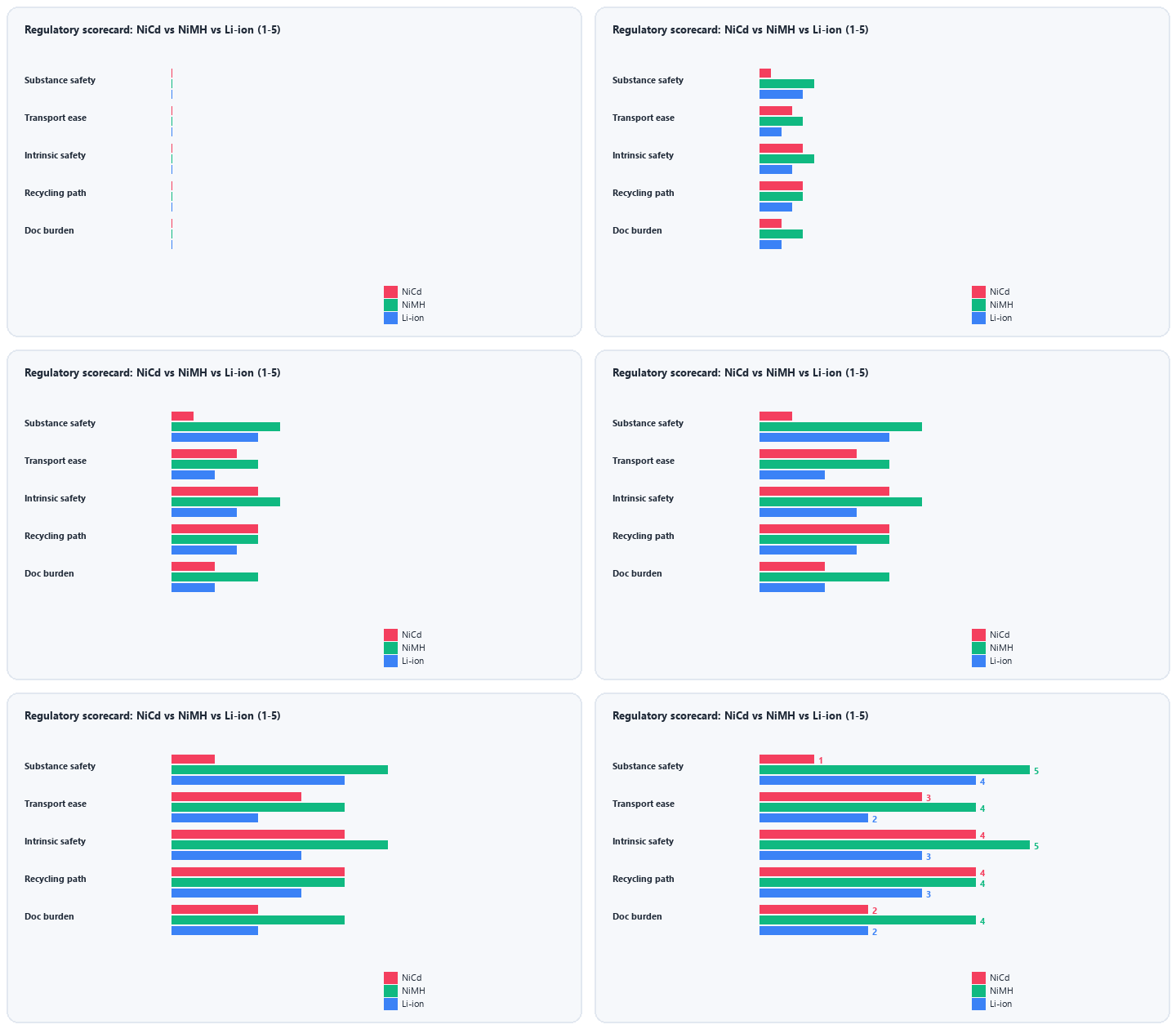
Транспортные правила резко расходятся. Литиевые элементы отправляются по номерам ООН 3480/3481 с ограничениями степени заряженности (30 % для многих воздушных маршрутов), правилами упаковки на основе Вт·ч, этикетками класса 9, сводками испытаний и всё более ограничительными условиями воздушных перевозок; инциденты теплового разгона ведут к ужесточению каждый год. NiMH отправляется по ООН 3496 (батареи, никель-металлгидрид, класс 9) со значительно более лёгкими условиями и без ограничения степени заряженности; его водный электролит гидроксида калия не может подвергнуться тепловому разгону или воспламениться. NiCd разделяет профиль водной безопасности, но коммерчески дисквалифицирован ограничениями кадмия. Для устройств, где важна безопасность рядом с людьми, — медицинское оборудование, приборы, техника в общественных местах, — собственная безопасность NiMH является задокументированным инженерным аргументом, а не маркетингом.
Оценка на этапе окончания службы следует восстановлению материалов. Свинцово-кислотные лидируют по зрелой замкнутой переработке, но тяжелы и содержат кислоту; NiMH обеспечивает восстановление никеля и стали выше 90 % через зрелую гидрометаллургию, восстановимые сплавы редкоземельных элементов и положительную стоимость сбора; переработка литий-иона масштабируется, но восстановление лития лишь недавно перешло отметку 50 %, а обработка дорогостояща, при этом ужесточаются ограничения на перевозку отходов чёрной массы. По статьям 70–72 цели восстановления Co/Cu/Pb/Ni на уровне 90/95 % уверенно достигаются инфраструктурой NiMH, а содержание никеля питает спрос на вторичное содержание по статье 8 — циклическая история, которую NiCd рассказать не может, а литий ещё выстраивает.
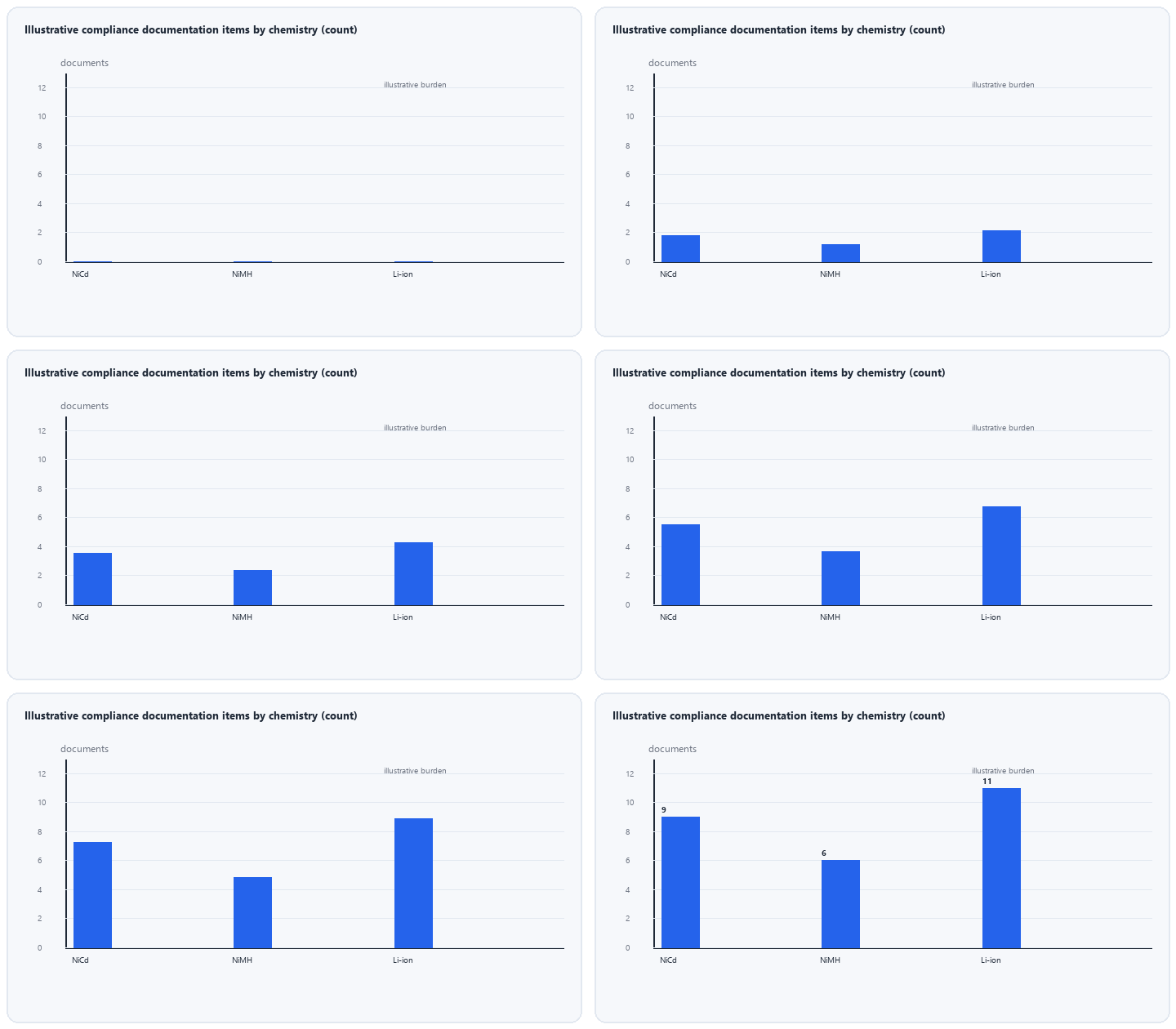
Документный стек растёт вместе с риском. Досье NiCd должны обосновывать сокращающиеся исключения — проигрышная эксплуатационная нагрузка. Литий-ионные паки несут самый широкий стек: доказательства ООН 3480/3481, процедуры степени заряженности, досье тепловой безопасности, а для более крупных паков — воздействие углеродного следа, вторичного содержания и паспорта выше порогов категории. Досье NiMH стандартны и стабильны: производительность IEC 61951, безопасность IEC 62133-1, транспорт ООН 3496, декларации Приложения I/REACH и портативная классификация, удерживающая малые элементы вне углеродных и паспортных режимов. Иллюстративное сравнение количества документов выше отражает направление: меньше исключительных документов, меньше повторных аудитов, меньше неожиданных обязательств при ужесточении правил.
Выбирайте NiCd только там, где унаследованная спецификация юридически этого требует, и планируйте замену; выбирайте литий-ион там, где доминируют Вт·ч/кг и высокое напряжение (мобильность, высокоэнергетические портативные устройства); выбирайте NiMH там, где режим работы — умеренный ток, длительный календарный срок службы, плавающий резерв, устойчивость в широком диапазоне температур, собственная безопасность и низкое регуляторное трение, — медицинские приборы, резервные и аварийные системы, промышленные средства управления, учёт, беспроводной дом и личный уход, а также чувствительные к стоимости профессиональные устройства. Элемент NiMH на 1,2 В является разработанной прямой заменой для унаследованных гнёзд NiCd, что делает замену преимущественно административной, а не электронной. Оформляйте решение в виде письменной карты оценок, чтобы выбор был обоснован в техническом досье.
Weijiang Power производит NiMH-сторону этой карты, используя все её преимущества: не содержащие кадмия элементы с результатами по тяжёлым металлам на уровне пределов обнаружения, документация IEC 61951/62133-1 и ООН 3496, водная собственная безопасность, зрелые доказательства переработки никеля и досье портативной категории, удерживающие малые паки вне углеродных и паспортных режимов. Отправьте ваш текущий профиль химии и режима работы, и мы вернём перекрёстную ссылку NiMH плюс регуляторное сравнение для вашего досье анализа конструкции.


